Managing IT budget optimization is more important than ever for businesses that want to stay competitive and efficient. This blog will guide you through the basics of IT budget optimization, practical steps to improve your IT spending, and the most effective strategies to get the most value from your investment. You’ll also learn about common pitfalls, cost-saving opportunities, and best practices to help you streamline your IT operations. Topics like automation, SaaS, and cloud usage are covered to keep your IT budget on track.
Understanding IT budget optimization
IT budget optimization is about making sure every euro you spend on technology brings real value to your business. It’s not just about cutting costs; it’s about using your resources wisely so your IT supports your business goals. When you optimize your IT budget, you can invest in reliable systems, reduce waste, and improve your company’s performance.
Many businesses struggle with unused software licenses, redundant systems, or inefficient processes. By focusing on budget optimization, you can spot these issues early and take action. This approach helps you avoid overspending and ensures your IT investments support your long-term strategy.
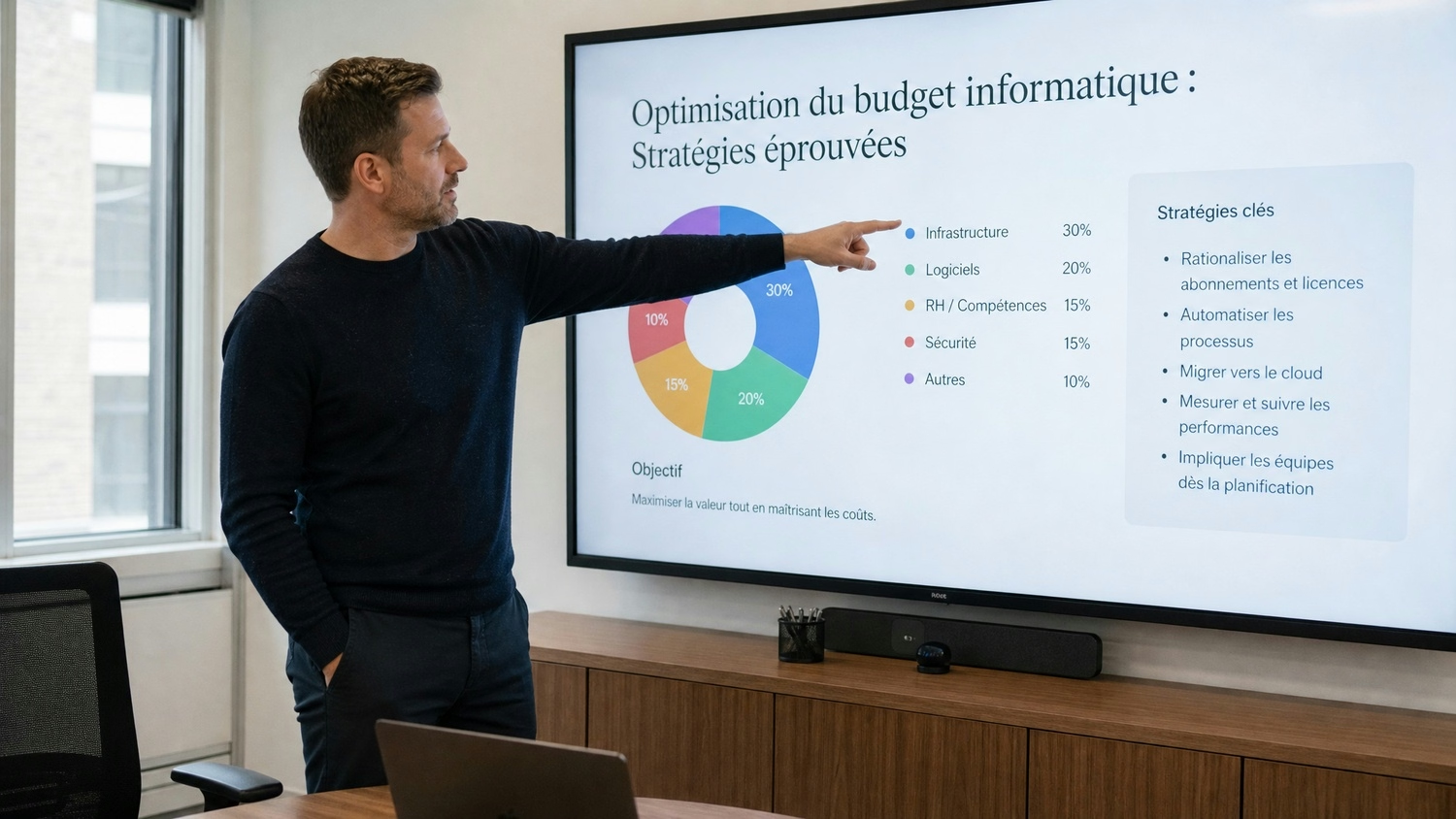
Key strategies for IT budget optimization success
Getting IT budget optimization right means following proven steps. Here are the most important strategies to help you make the most of your IT budget.
Strategy #1: Start with a clear cost optimization framework
Begin by mapping out all your IT expenses and categorizing them. A cost optimization framework helps you see where your money goes and spot areas for improvement. This step is essential for building a strong foundation for future decisions.
Strategy #2: Use cost optimization techniques for software and hardware
Review your software and hardware regularly. Remove or reassign unused licenses, and consider consolidating tools that do the same job. These cost optimization techniques can lead to quick wins and long-term savings.
Strategy #3: Focus on budget optimization for cloud services
Cloud usage can quickly become expensive if not managed well. Track your cloud spending, set clear budgets, and use automation to shut down resources when they’re not needed. This keeps your costs under control.
Strategy #4: Prioritize cost reduction through process improvement
Look for inefficiencies in your IT processes. Automate repetitive tasks and streamline workflows to save time and money. Process improvements often lead to significant cost reduction.
Strategy #5: Develop strong optimization strategies for IT investments
Make sure every IT investment supports your business goals. Evaluate new projects carefully and choose solutions that offer the best value. Good optimization strategies help you avoid waste and maximize returns.
Strategy #6: Identify cost-saving opportunities with regular IT cost analysis
Schedule regular IT cost analysis sessions. These reviews help you find hidden costs and new ways to save. By making this a routine, you stay proactive about cost-saving.
Strategy #7: Involve CIOs and key stakeholders in decision-making
Include CIOs and other leaders in your IT budget decisions. Their insights can reveal new opportunities and help align IT spending with business priorities.
Key benefits of an optimized IT budget
An optimized IT budget offers several important advantages:
- Better control over technology spending and fewer surprises
- More funds available for strategic projects and innovation
- Lower risk of overspending or running into budget shortfalls
- Improved alignment between IT and business goals
- Easier identification of cost-saving opportunities
- Greater flexibility to respond to changing business needs

Best practices for ongoing IT cost analysis
IT cost analysis is not a one-time task. It should be part of your regular business routine. By reviewing your IT expenses often, you can spot trends, catch inefficiencies, and adjust your spending before problems arise. This ongoing analysis helps you keep your IT budget on track and ensures you’re always getting the best value.
It’s also important to benchmark your spending against similar organizations. This gives you a clear picture of where you stand and highlights areas where you can improve. Regular cost analysis, combined with benchmarking, is a powerful way to drive continuous improvement.
Cost optimization techniques for modern IT environments
Modern IT environments are complex, but there are proven techniques to keep costs under control. Here are some practical ways to optimize your IT spending.
Technique #1: Streamline your SaaS subscriptions
Many businesses sign up for multiple SaaS tools, but not all are used regularly. Review your subscriptions, cancel what you don’t need, and consolidate where possible. This reduces waste and saves money.
Technique #2: Automate routine IT tasks
Automation can handle repetitive tasks like backups, updates, and monitoring. By automating these processes, you free up your team for higher-value work and reduce the risk of errors.
Technique #3: Consolidate redundant systems
Check for overlapping tools or platforms. Consolidating redundant systems simplifies management and cuts unnecessary expenses.
Technique #4: Use cloud usage monitoring tools
Cloud usage can be hard to track. Use monitoring tools to see exactly what you’re using and where you can cut costs. Set alerts for unexpected spikes in usage.
Technique #5: Evaluate workloads and right-size resources
Not all workloads need the same resources. Regularly evaluate your workloads and adjust resources to match actual needs. This prevents over-provisioning and saves money.
Technique #6: Adopt FinOps practices
FinOps combines financial and operational best practices for managing cloud costs. By adopting FinOps, you create a culture of shared responsibility for cloud spending across your organization.
Technique #7: Set clear business goals for IT investments
Every IT investment should support a specific business goal. Setting clear goals helps you prioritize spending and measure the impact of your investments.

Practical steps for implementing IT budget optimization
Putting IT budget optimization into practice takes planning and teamwork. Start by setting clear objectives and communicating them to your team. Make sure everyone understands the importance of using resources wisely and looking for cost-saving opportunities.
Next, create a process for regularly reviewing your IT spending. Use data to guide your decisions and be ready to adjust your approach as your business changes. Encourage your team to suggest new ideas for saving money or improving efficiency.
Finally, invest in the right tools and training. Modern IT management platforms can help you track spending, automate tasks, and spot inefficiencies. Training your team ensures they have the skills needed to support your optimization efforts.
Best practices for sustainable IT budget optimization
Following best practices helps you keep your IT budget optimization efforts on track. Here are some tips to guide your approach:
- Review your IT budget regularly and adjust as needed
- Involve key stakeholders in all major IT spending decisions
- Use automation to reduce manual work and cut costs
- Benchmark your spending against similar organizations
- Focus on long-term value, not just short-term savings
- Encourage a culture of continuous improvement
Sticking to these best practices will help you build a more efficient, cost-effective IT environment.
How AboutIT can help with IT budget optimization
Are you a business looking to get more from your IT investment? If you’re focused on growth and want to make sure your technology spending supports your goals, our team can help you optimize your IT budget and drive real results.
We understand the challenges of managing IT costs while keeping your business running smoothly. Our experts can help you identify savings, streamline your operations, and build a sustainable IT budget optimization plan. Contact us today to see how we can support your success.
Frequently asked questions
What is the first step in IT budget optimization?
The first step is to evaluate your current IT spending and identify areas of inefficiency. This includes reviewing all software, hardware, and service contracts to spot unused or redundant resources. By understanding where your money goes, you can set priorities for cost savings and better allocation.
Regularly tracking your expenses also helps you benchmark your spending against industry standards. This process ensures your budget supports your business goals and helps you avoid unnecessary costs.
How can I optimize my IT budget without sacrificing performance?
To optimize your IT budget, focus on streamlining your workload and automating routine tasks. This reduces manual work and frees up resources for more important projects. Look for opportunities to consolidate systems and cut costs without affecting service quality.
Investing in reliable systems and using best practices for IT management can help you maintain high performance while reducing expenses. Regular IT cost analysis ensures you stay on track.
What are some common cost optimization strategies for IT?
Common strategies include consolidating redundant systems, automating processes, and negotiating better contracts with vendors. You can also use cloud usage monitoring to avoid over-provisioning and reduce costs.
Implementing a cost optimization framework and involving CIOs in decision-making helps align IT spending with business priorities. These strategies support both short-term savings and long-term value.
How do I ensure my IT budget supports business goals?
Align your IT budget with your business goals by setting clear objectives for every investment. Regularly review your spending to make sure it matches your priorities and adjust as needed.
Using optimization strategies and benchmarking your budget against similar organizations helps you stay competitive. This approach ensures your IT investments drive real business value.
What role does automation play in IT budget optimization?
Automation reduces manual work, cuts costs, and improves efficiency. By automating routine tasks like backups and updates, you can free up your team for higher-value projects.
Automation also helps you spot inefficiencies and streamline your IT operations. This leads to ongoing cost savings and a more agile business.
How often should I conduct IT cost analysis?
It’s best to conduct IT cost analysis at least quarterly. Regular reviews help you catch cost overruns early and identify new opportunities for savings.
Frequent analysis also supports continuous improvement and ensures your IT budget remains aligned with your business needs. This proactive approach is key to successful IT budget optimization.
.jpg)